

“New Year, new games” is what I would be saying if there wasn’t a few games from last year I missed out on! Despite 2024 being somewhat of a light year in terms of game releases, I still missed out on a few games I was pretty interested in checking out. And one of those games was Darkest Dungeon II! The rogue-lite, horror, RPG and sequel to the original Darkest Dungeon. So before we talk about any new games coming out this year, lets look back at this old one from last year!
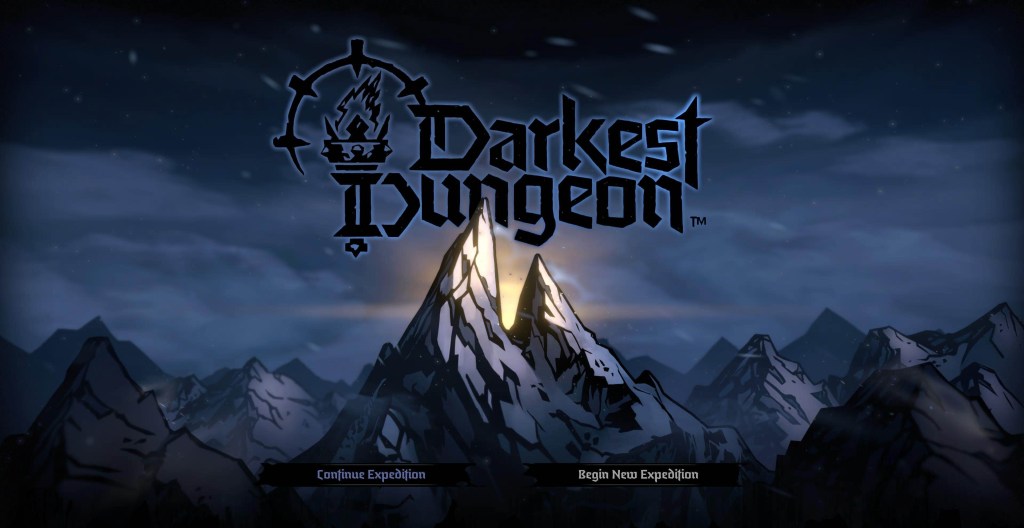
So full disclosure, I haven’t actually beaten Darkest Dungeon II yet. The game is, as we’ll discuss plenty, very difficult and I only started playing it about a week ago. So do keep in mind that as of starting this review I haven’t finished the game yet. While I do prefer to actually finish the games I review, I feel like for something rogue-lite like Darkest Dungeon II I can share my opinions about the game before fully finishing it. Only on rare occasions have I changed my opinion on a game like this part way through. The only game that comes to mind where that happened is Inscryption. And if that happens to be the case with Darkest Dungeon II as well, I will be sure to inform everyone about it! But with that out of the way, let’s start talking about the game, why I’m enjoying it so much, and why I’m honestly enjoying it more than the original.
Darkest Dungeon II is a brutally tough rogue-lite, horror, RPG made by Red Hook Studios. It’s all about saving the world from the darkness and madness that you accidentally set loose. Which is basically the exact same set up as the original game but there are some key differences this time. Namely the fact that the darkness hasn’t just spread to a few dungeons. This time, it’s covering the world!

I suppose you could call this the hook of Darkest Dungeon II. Rather than dungeon crawling you are traveling through this madness ridden world, making your way to the heart of it all to finally put an end to it. The game is described as a road trip and that honestly is the best way to say it. Rather than crawling through dungeons you are riding in a stagecoach across the land. In terms of game play though, this does function somewhat similarly to the dungeon crawling of the original. You pick a place to go to and have to go deeper and deeper through the randomly generated environments hoping to reach the end in one piece. Rather than going from room to room though, you are riding between stops along the roads that you pick to go to from many different crossroads.
I suppose you can think of these areas as ‘dungeons’ if you’d like as they function very similarly but there’s a lot more prep that goes into traversing these places than the dungeons of the original.
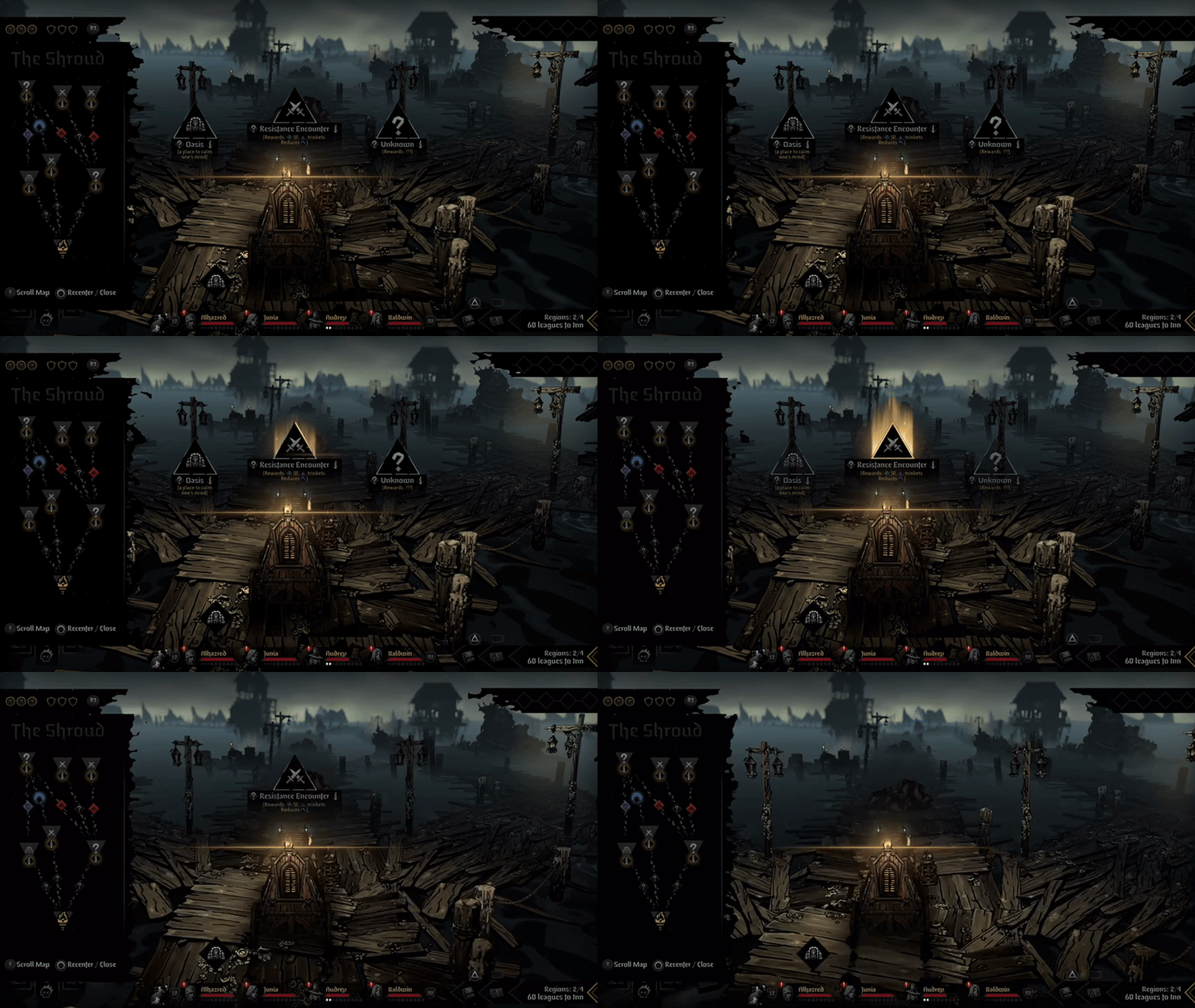
The goal of each run in Darkest Dungeon II is to reach the Mountain. Every area leading up to the Mountain is basically just to help prepare your crew for the big final battle at the end of it all. Endurance is a very important word to the original game and it’s just as important for the sequel. The journey will be tough and you have to do more than just survive it if you are wanting to beat the boss at the end. Managing your team at the Inns between each region leading to the Mountain is extremely important! Keeping everyone’s stress in check, their health up, and even making sure they like each other. These are the most important aspects of success along with making sure your crew has good gear and all that.
I am getting a little ahead of myself though! Before we get too deep into that, let’s take a step back to talk about the game’s combat, which thankfully hasn’t been changed too much from the original.
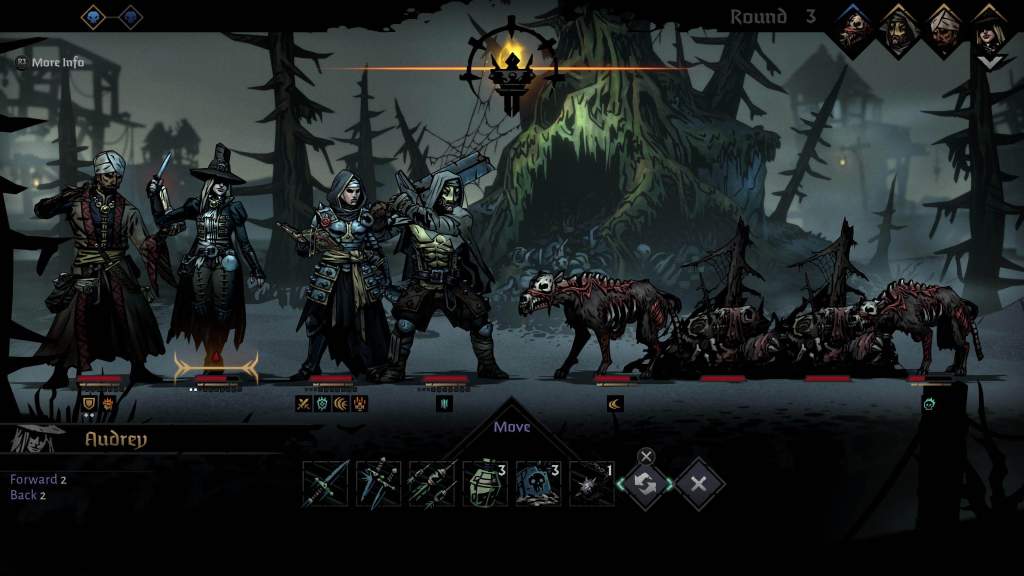
Darkest Dungeon II retains the turned based combat from the original. If you’ve played the original not too much is changed from what I remember, but it has been a bit since I played the original so let’s go over the combat a little!
Combat in Darkest Dungeon is turn based with the turn order being decided by a few different elements such as the speed of each character. While the order can feel random at times, there is just about always a reason for who goes when. The goal of each combat encounter is to, obviously, kill the enemy in front of you but you also have to keep in mind your team’s health and stress. Especially their stress! Because even if you win that battle, your team might be in terrible shape for the next one. It’s a delicate balance that makes it so no battle can be brushed off no matter how weak the enemy you are facing is.
Unless something terrible has happened, you should always have a crew of four characters, each with five skills they can use. Over the course of the game, you will unlock more skills for each of the characters but you can only ever have five equipped at a time. Which ones you are using decides a lot honestly as it will most likely dictate which position you want your characters in. Unlike a lot of turn based games, the actual lay out of your party matters a lot. Some skills can only be used from the back of the party for instance while others can only be used from the front or middle. Some skills will even change a character’s position! Moving them forward or backward in the party.
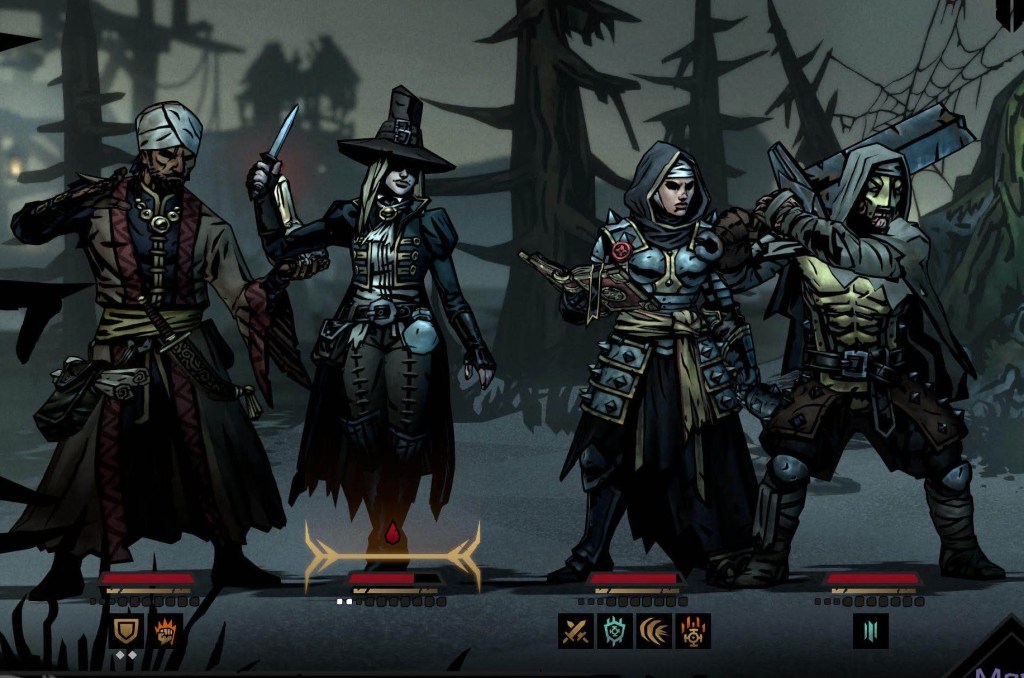
The same goes for the enemy too! Their attacks work the exact same way so trying to mess up the enemies position can be pretty important as well. For instance, if an enemy is hanging in the back because it mostly has ranged attacks, dragging them to the front not only will make it so they can’t use those ranged skills, it’ll also most likely put them in range for your front attacker! My teams usually focus on having a strong attacker right at the front that only focuses on attacking the first two enemies or so. In this set up, making sure to pull enemies forward is very important! Especially since when you kill an enemy in the front the ones in the back don’t just move up naturally, instead when any enemy dies, they leave a corpse! That corpse will take up their spot unless someone destroys the corpse or enough turns pass and it simply fades away.
Now I’m not going to go over each and every skill, as there are a lot of them, but I hope that explains why skills and positioning are important to making any team work. Like I said all the characters will eventually have eleven skills if you go through the effort of unlocking them all. You do this by exploring a character’s backstory by visiting the Shrines of Reflection while on the road. And while each character generally has a position they were basically made for, for example the Plague Doctor just about always works in the back despite having a few skills that require them to be in the front, you can mix and match skills to really change what positions each character can fit in!
And speaking of characters, lets take a moment to talk about them and how they work in this game as well!

At the start of the game you’ll only have four characters to pick from but as you visit the Alter of Hope, which you visit at the start of each run to gain permanent level ups to things like your stagecoach, characters, and items, you’ll eventually get up to eleven characters to pick from! With two more being DLC as you can see in the bottom right of the image above. Technically there is one more character though, the Bounty Hunter, but he can only be hired from Inns and he’ll only stick with your party until the next Inn you make it to, he’ll also replace any character in your current party for that time meaning you’ll only ever have four characters in a party at a time.
Now just like with the skills I’m not going to go over each and every character in detail as that will take awhile! But as you can probably guess, each have their own strengths and weaknesses as well as roles they can fill in the party. Some characters are better at attacking and staying in the front of the party while others are better at support and healing from the back. Picking four frontal attackers won’t work due to the fact two will always be in the back and probably not able to use most of their skills. Balance is always important when considering your team and their positions. And thankfully the game does give you a brief overview of what each character is good at as well as which positions they are good in.

As you can see, the Leper here is best served in the front dealing high damage as well as tanking plenty of hits himself. While you can swap around his skills to make him a bit more useful further back in the party, it’s clear he’s meant to be in the front two positions at the very least and focusing on attacking the enemies in the front two positions as well, leaving the back enemies to the rest of the party.
At this point you’ve probably gathered that positioning is very important in Darkest Dungeon II! Making sure characters remain where they are most useful is vital to making it through the horrors that plague the road. Especially since repositioning a character will cost them a turn unless they have a still that moves them around in the party. The Jester for example has lots of skills that has him jumping around positions! So having characters that can work around that is important if you want to use him. Overall though, enemies that can reposition your party are a big threat! Given how much time you might have to spend to get people in the right places again, giving your enemies more time to attack, it can sometimes end a run just like that. Which is honestly pretty normal in Darkest Dungeon.
If there’s one thing that Darkest Dungeon as a series is known for, it’s the difficulty! The first game was brutal and so is the sequel, but in a slightly more forgiving way that I’ll get into later. For now, I wanted to bring up the difficulty since stress isn’t just something the player will be feeling but the characters in game too.

Managing your characters’ stress is one of the most important things and one of the, if not the most, iconic things about Darkest Dungeon. Right below a characters health bar is their stress bar. Making sure this bar doesn’t fill completely can make or break some runs. The bar can fill for many reasons but the most common ways tend to be from the enemy landing a critical hit, hitting a character with an attack that is made to increase stress, or a character may have a Quirk tied to gaining stress. Such as the Pacifist Quirk that gives a character a 10% chance to gain stress when dealing damage to an enemy. Quirks are another random element of the series, each character will start with one positive Quirk and one negative and they may gain more, or lose some, throughout a run. Gaining and losing Quirks can also be pretty random depending on the situation but keeping in mind who has what is yet another very important aspect to keep in mind.
One way to gain a Quirk though can be when a character’s stress bar fills completely. When this happens they have a chance of having a Meltdown or remain Resolute. It’s up in the air which will happen but I personal feel it’s far more common to have a Meltdown! When that does happen the character in question will lose a massive amount of health, lower their relationship with each party member, and often times gain a negative Quirk. And if the character manages to remain Resolute, the opposite happens! They gain health, their relationship with the other members increase, and they usually gain a positive Quirk. This is why it’s more common to have a Meltdown though. If the player could basically guarantee their character will remain Resolute then there would be no fear of letting that stress bar fill. So having the odds lean more towards a character having a Meltdown makes more sense! Even if it’s always upsetting each time it happens…
If I’m being honest though, the loss of health and new negative Quirk aren’t what I fear most when a character has a Meltdown. It’s the hit to their relationships with the rest of the party that I think hurts the most!

Characters liking each other is something new to Darkest Dungeon II and I think it fits perfectly for the road trip vibes they wanted. Making sure each of your party members like each other, or at the very least tolerate each other, is something that quickly became important to me! How it works is that while you’re traveling the road there will be plenty of chances for relationships to grow, positively or negatively. While traveling, characters have the chance of simply talking and bonding between destinations, beyond that when coming to a stopping point, sometimes you need to pick a character to make a choice. Said choice might make another party member like the character you picked or hate them. There’s even chances in the middle of battle! From landing critical hits to healing, two characters can bond that way. But at the same time doing things like healing someone else or missing an attack can cause people to hate each other that much more… It can honestly be a lot to manage but the game thankfully does point out these things to you so I rarely felt cheated by the system.
Now what happens when two characters come to hate each other or like each other? After staying at an Inn, just before you embark on the next region, you will be shown if any of your characters have problems with each other or like each other. If they do, a skill from each will be picked. If they have a positive relationship, using these skills will buff the other character! But if they have a negative one, it’ll debuff the other character… This can really mess things up, or may give you quite the boost, if the skills in question are ones you use a lot! Not only that though, if the characters really like or hate each other there are even more factors. For instance, if two characters hate each other, they may attack each other in the middle of a fight! On the flip side, they may give an additional attack to the enemy if they like each other enough.
So if you didn’t already have enough to juggle there’s another iron in the fire for you! Thankfully there’s plenty you can do to help make sure that people stay happy with each other. For example, at the Inn you can have two characters share a drink together to improve their relationship! Which is just one of the many items you can use exclusively at Inns.

At the end of each region you’ll reach an Inn. Here you can rest up, level up your skills, buy items, and prepare your stagecoach. You can collect Inn items and stagecoach ones while traveling around, beating enemies, buying them from people out in the world, or buying them at an Inn! As you probably guessed, these items can only be used at the Inn which at least means they are almost always beneficial. Same goes for the stagecoach stuff. You can only add them to your stagecoach at an Inn. This is also the only place you can repair your stagecoach too since it is most certainly going to take a beating out in your travels!
You can also decide to end a run at an Inn and retain more of your upgrade material, the candles, as well as keep some of your characters alive so they can bring over those Quirks and a few other things to your next run. It’s a good strategy if your party isn’t doing so hot and you don’t feel confident in reaching the Mountain or beating the boss lurking inside!
Now keeping your party alive and retreating was a much bigger part of the original game and it’s much more downplayed here. And that’s something I honestly feel is for the better overall!
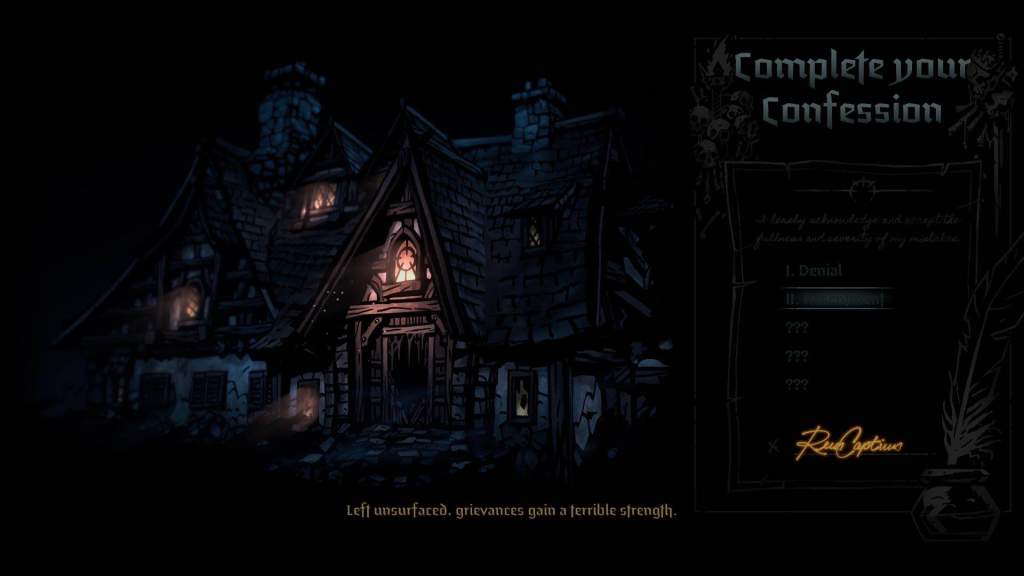
You see, while the original Darkest Dungeon was also a rogue-lite, the approach the sequel takes is far different. The original game was based around building up your characters, resources, and supplies over multiple trips to the many dungeons of the game to prepare for the final dungeon! Hiring multiple characters, having multiple parties, managing all this and your funds was the main thing you had to keep in mind. And just like with Darkest Dungeon II all of this could come crumbling down super easily with a few instances of bad luck! This is an aspect I really did not like about the original game and it’s why I never found myself wanting to put in the effort to finish it. As much as I love difficult games and as much as I don’t mind starting over in rogue-lite games, spending multiple hours on a single save file, building up all these characters and things, only to have that all taken away because the enemy got a few lucky crits, or I ran into a randomly appearing boss two runs in a row killing my characters and draining my resources always felt terrible… In Darkest Dungeon II however, these elements aren’t there as much. You won’t be building up a collection of items for hours or leveling characters for hours. You’ll be starting from basically zero each run, and while that might sound more brutal it honestly made it easier to tackle each attempt.
The main reason being that I wouldn’t feel so bad about losing so much since I honestly didn’t gain so much in the grand scheme of things. While you can still build up characters, finishing a run with a character lets you give passive buffs to those characters for another run, it doesn’t feel anywhere close to being as important as it was in the original game! Which makes it far easier to have that “one more run” mentality and ultimately keep going. How Darkest Dungeon II works is that you are basically working down a list. You start with Denial and go down to Resentment after that with there being five things on the list in total with you only truly finishing the game when you get to the end! And while each selection gets harder the further down the list you go, like how you must kill at least one Lair boss in Resentment if you want to reach the Mountain and the fact you have to go over more regions in Resentment, I never truly felt like I had to start with Denial each time and build up my characters from there. It feels like the game is built so you can start from any on the list without having to go back. Which I vastly prefer!
So while you might be able to call Darkest Dungeon II easier than the first because of this shift, I still think it’s brutally hard regardless! You still have all the crazy random stuff and you still have the insane battles and management issues from the original game. Now it’s just a lot easier to not feel that crushing sense of defeat when you have to start over.
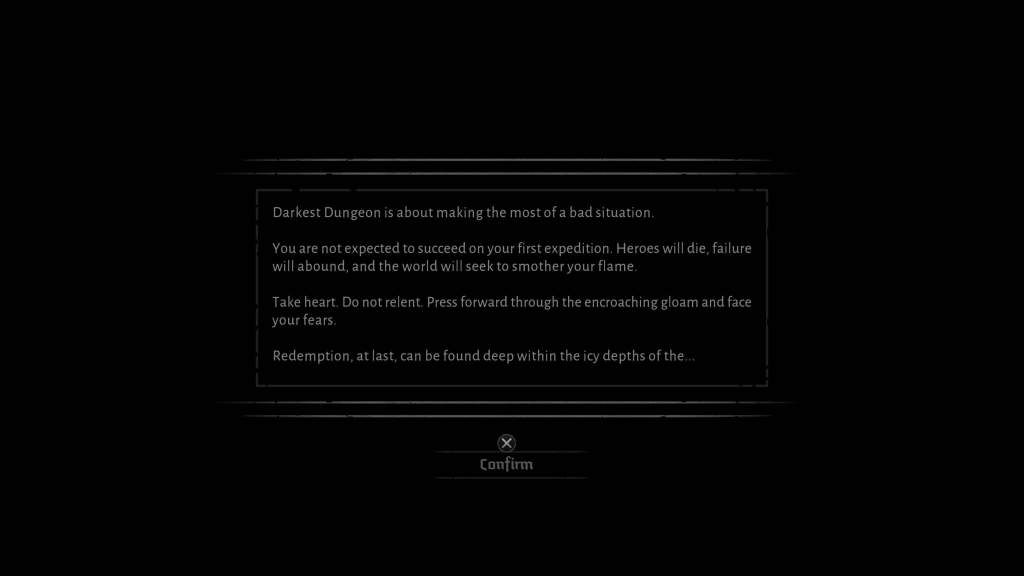
Even though I haven’t finished the game yet, I can honestly say that I prefer Darkest Dungeon II over the original! But that mostly comes down to preference. The sequel does plenty different from the original and I can totally understand if that turns some fans away from it but for me it only made the experience that much better. I may not have finished it yet but I still have the drive to finish it and I can’t say that about the original game!
So if you’re looking for a freaky Lovecraftian horror RPG with beautiful art and addictive game play, you really need to check Darkest Dungeon II out! And even if it’s different from the original I hope fans of the original give the game a shot. Or if you weren’t a fan of the original, hopefully this shows you that they aren’t the same game and you might end up liking this sequel!
But those are just my thoughts! What are some of yours? Have you ever played the original Darkest Dungeon? After reading this post, are you thinking about checking it or the sequel out? I’d love to hear your thoughts so don’t be shy!
And thank you for taking the time to read the post! If you enjoyed it feel free to leave a Like or share the blog with a friend. You can also follow the blog on WordPress or on Twitter if you want to stay up to date on new posts. Also if there’s a topic you’d like me to discuss sometime, go ahead and tell me in the comments! Any interaction is appreciated, even just viewing this post, so thanks again for stopping by.
 Games for Thought
Leave a comment